In the United Arab Emirates, managing a restaurant requires simultaneously managing daily sales, supplier bills, VAT filings, and employee wages. What distinguishes a successful restaurant from one that is constantly unsure of where its money went is the ability to handle bookkeeping. Here is a guide to restaurant bookkeeping for restaurant operators in Sharjah, Dubai, and Abu Dhabi on how to do bookkeeping for a restaurant.
Restaurant Bookkeeping 101: What Is It?
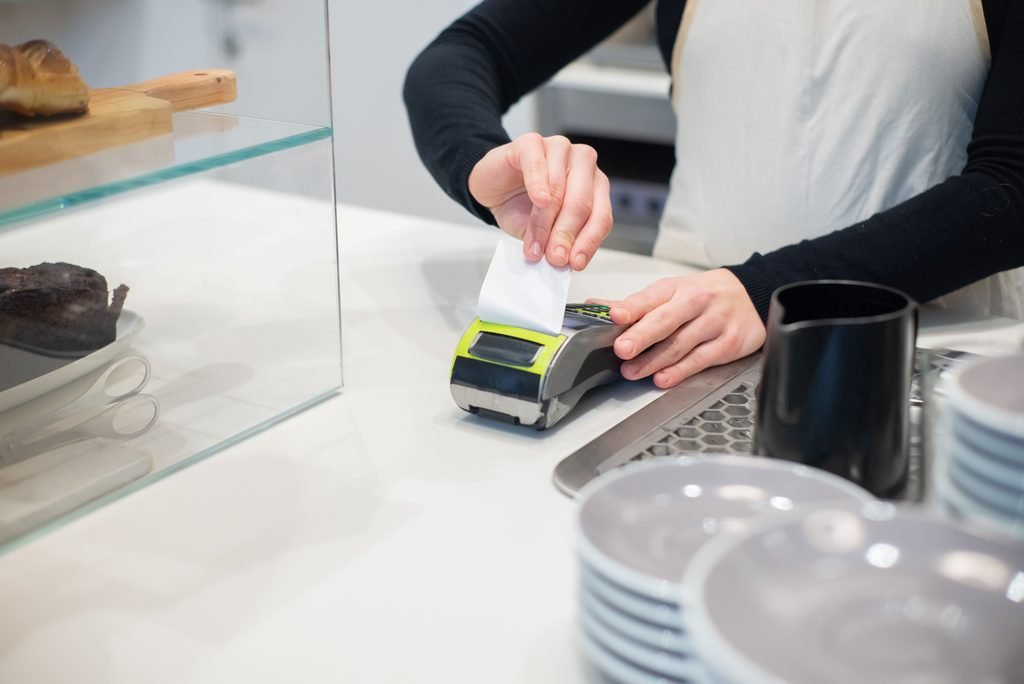
The methodical documentation of all financial transactions unique to a food and beverage (F&B) enterprise, including sales, purchases, payroll, labor costs, and expenses, is known as restaurant bookkeeping. It serves as the cornerstone for VAT compliance and correct restaurant accounting and bookkeeping in the United Arab Emirates. Every restaurant bookkeeper ensures proper financial data and financial records of the restaurant.
Why Is Bookkeeping in Restaurants So Important?
Restaurants rely on high transaction volume, perishable inventory, and low margins (usually 3–9% net profit). Profit is directly impacted by poor bookkeeping due to theft, waste, and missing VAT dates.
| Risk of Poor Bookkeeping Services | Impact on Restaurant |
| Untracked food cost | Shrinking profit margins |
| Missed VAT filing (FTA) | Fines up to AED 10,000+ |
| No daily sales report reconciliation | Cash leakage, theft |
| Poor payroll records | WPS non-compliance penalties |
How Can a Restaurant Handle Bookkeeping? (Step-by-Step)

Every F&B establishment in the UAE and restaurant owner should adhere to this fundamental procedure in order to maintain both financial stability and VAT compliance. Here’s a guide on how to do bookkeeping for a restaurant industry:
1. Create a Chart of Accounts Particular to Your Restaurant
For food sales, beverage sales, delivery revenue, food and beverage costs, rent, utilities, and payroll, separate bookkeeping for restaurants account heads should be created.
- Divide earnings by delivery (Talabat, Deliveroo, Careem), dine-in, and takeout.
- For precise margin analysis, keep track of food and beverage costs separately.
- Keep tabs on gratuities and service charges independently of revenue.
2. Accurately Record Daily Sales
Every day, reconcile your bank deposits and cash drawer with your point-of-sale system (Foodics, Micros, Toast).
- Compare POS Z-reports to real card and cash payments. Cash flow statement is a major part of financial management.
- Don’t wait until the end of the month to flag discrepancies.
- For precise costing, keep separate records of staff meals and complimentary meals.
3. Pay Close Attention to Cost of Goods Sold (COGS)
Since ingredient costs in the UAE are subject to frequent fluctuations, compute the food cost % on a weekly basis rather than a monthly basis.
Formula: Food Sales = Food Cost % (Opening Inventory + Purchases − Closing Inventory)
Depending on the cuisine and kind of outlet, a healthy restaurant’s food cost percentage often ranges from 28 to 35%.
4. Oversee VAT Compliance (FTA Requirements)
The answer is to charge 5% VAT on all sales of taxable food and beverages, file quarterly (or monthly, depending on your FTA registration) returns, and keep records for five years.
- Provide tax invoices that comply with the FTA for each transaction to ensure overall financial health.
- Reconcile input tax on supplier purchases with VAT for restaurants in the United Arab Emirates.
- In the event of an FTA audit, maintain digital copies of every invoice.
5. Automate WPS Compliance and Payroll
To avoid MOHRE penalties, process employee wages through the Wages Protection System (WPS) on schedule each month.
- Keep separate records of tips, service charge distribution, and overtime.
- Maintain correct end-of-service and gratuity provisions.
- Balance the costs of labor cards and visas as operations expenses.
6. Balance Vendor and Supplier Accounts
To avoid overbilling, compare each supplier invoice with goods received notes (GRNs) prior to payment.
- Keep a weekly report on supplier aging.
- Note price adjustments from important suppliers of fruit, meat, and seafood.
- Payment arrangements should be negotiated based on precise cash flow visibility.
7. Produce Financial Reports Every Month
To track actual profitability, create a cash flow report, balance sheet, and profit and loss statement each month.
- As part of accurate bookkeeping process, compare the actual and planned costs of labor and food.
- Examine prime costs, which should ideally be less than 60% of revenue (food + labor).
- For a second view, send reports to your accountant or hire a bookkeeping firm in Dubai for a sound accounting system.
Is It Better to Use Software or Do It Manually?
In the near term, small cafés can manage manually, but many restaurants with numerous locations or a significant volume of transactions should use restaurant accounting software in the UAE, such as Zoho Books, QuickBooks, or Xero coupled with their point of sale.
| Method | Best For | Limitation |
| Manual (Excel) | Single small outlet | Error-prone, time-consuming |
| Accounting Software | Growing restaurants | Needs setup and training |
| Outsourced Bookkeeping | Multi-outlet chains | Monthly service cost |
Typical Bookkeeping Errors in UAE Restaurants
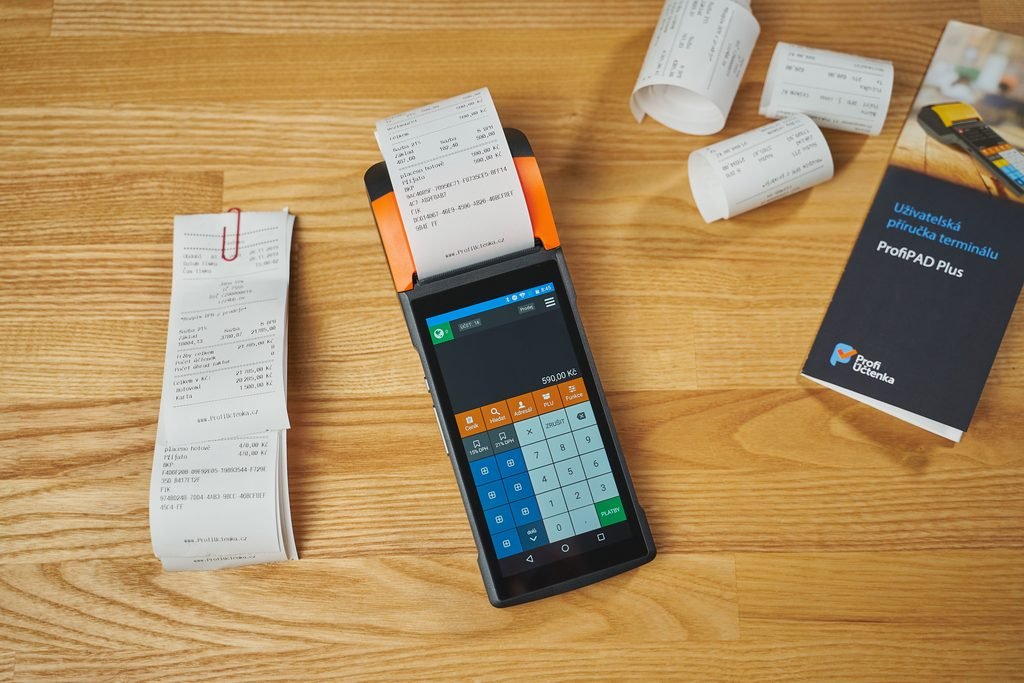
- Combining business and personal spending
- Delivery aggregator payouts are not being reconciled (commission deductions missing).
- Ignoring the tracking of small cash and bank statements
- Putting off filing a VAT return until the last minute
- Not keeping separate records of spoilage and inventory waste
Conclusion: Mastering Bookkeeping From Day One
In today’s UAE F&B industry, knowing how to do bookkeeping for a restaurant is essential since it preserves your profits, keeps you FTA-compliant, and provides you with a clear understanding of which dishes and outlets are truly profitable. You’ll have fewer surprises at year’s end if you systematize it early. Your inventory management, restaurant operations, and other financial details are key for smooth functioning of your restaurant.
Do You Need Assistance Organizing the Books for Your Restaurant?
Are you having trouble keeping up with food expense tracking, VAT filings, and daily sales reconciliation? For F&B companies throughout the UAE, Xpert Tax & Accounting specializes in restaurant bookkeeping and accounting to help restaurants with easy business. For a free consultation and to help us build up a bookkeeping system that will keep your restaurant profitable and compliant with the FTA, get in contact with us immediately.
FAQs
1. How Frequently Should A Restaurant In The United Arab Emirates Reconcile Its Books?
Every day for cash and sales, every week for food expenses, and every month for complete financial reporting.
2. What VAT Rate Is Applicable To Restaurant Sales In The United Arab Emirates?
Dine-in, takeout, and delivery food and beverage sales are subject to 5% VAT.
3. What Is A Restaurant’s Healthy Food Cost % In The United Arab Emirates?
The majority of restaurants in the United Arab Emirates strive for a food cost proportion of 28% to 35% of meal sales.