Bookkeeping messes don’t just appear. They build up slowly. A few things not matching here, a missing bill there, and soon a whole year is a wreck. For UAE companies dealing with VAT, Corporate Tax (CT), and FTA checks, messed-up records aren’t just annoying; they’re a legal problem. Whether you’re catching up from months of ignoring it or getting ready for your first CT filing, knowing how to do a bookkeeping clean up is super important for any business owner or finance person.
Why Bookkeeping Cleanup Is a Big Deal in the UAE
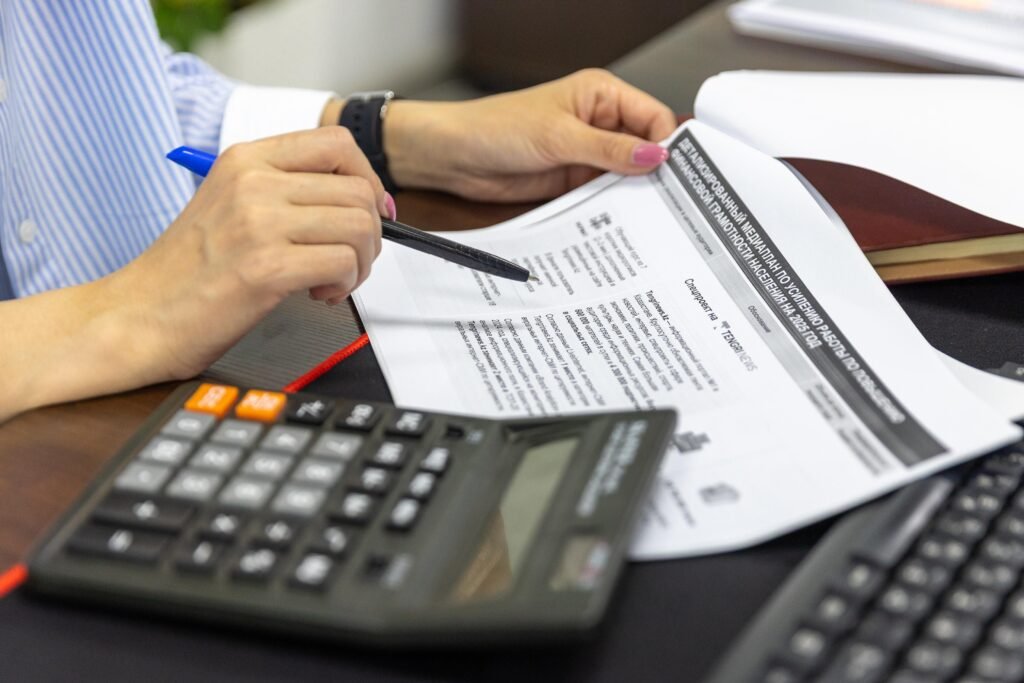
The UAE’s rules make bookkeeping clean-up even more urgent. Under UAE VAT rules, businesses have to keep all bills, credit notes, and other papers for at least five years*. For CT, it’s seven years* from the end of the tax year. The FTA can ask to see these records and transactions anytime they audit you. If your books are missing stuff or wrong, you could get fined anywhere from AED 500* for small errors to AED 50,000* or more for big problems.
Thinking of how to do a bookkeeping clean up isn’t just about making numbers look nice. It’s about making sure your financial info is correct, believable, and ready to be checked.
Signs You Need to Clean-Up Your Books Now
Professional bookkeeping sessions help you avoid major blunders and improve the financial health of your business. Before we get into the steps, here are some signs you’re behind:
- Your bank balance in your accounting program doesn’t match your real bank statement.
- You have things that don’t match up going back over a month.
- A bookkeeping cleanup is important when some bills are marked as unpaid, but you know you paid them, causing a discrepancy.
- Your VAT numbers don’t match your sales records.
- You have spent it with no proof or papers.
- Your lists of who owes you money or who you owe money to have really old stuff on them.
- Opt for basic bookkeeping cleanup when you’re not sure how much money you really made or lost this year.
If a couple of these sound like you, cleaning up your books isn’t optional – it’s a must. Especially for small businesses who have just started off, bookkeeping services can save you from major blunders and improve your financial health.
How to Clean Up Your Books: A Simple Checklist
Here is a quick bookkeeping cleanup checklist for medium to small business owners on how to get going with accounting cleanup.
Step 1: Get All Your Papers Together
Before you start fixing things, get everything in one place. Trying to clean up your books with missing papers is like trying to finish a puzzle with missing pieces – it won’t be right.
What To Grab:
- Bank statements for all accounts for the time you’re cleaning up.
- All sales bills and credit notes you sent out.
- All bills from suppliers, purchase orders, and receipts.
- Payroll records, WPS reports, and end-of-service pay calculations.
- Loan statements.
- VAT returns you already filed and any letters from the FTA.
- Old financial data and statements, if you have them.
Step 2: Match Up Your Bank Accounts First
Among the top things in a bookkeeping checklist is getting your bank accounts to match your books. For this, a good bookkeeper can help you sort your messy books. It clearly shows what money came in and went out, and helps you spot things you forgot to record.
How To Do It:
- Start with the oldest stuff first and work your way forward.
- Match every bank thing with something in your books.
- Point out things on your bank statement that aren’t in your books – you need to look into those, add them, and reconcile accounts.
- Point out stuff in your books that isn’t on your bank statement – these could be mistakes or just timing issues.
- Once you’ve matched everything for a month, lock it so no one can mess it up.
Step 3: Check Who Owes You Money
This is about customer bills that haven’t been paid. Usually, you can find mistakes here, like bills that were paid but not marked, duplicates, or amounts that were written off.
What To Do:
- Check every unpaid bill against your bank statements to see if it was paid.
- Mark paid bills as paid with the right date.
- Find the bills that are really late and bug those customers. Fix errors quickly by hiring clean up services.
- Officially write off bad debts in your program – leaving them there makes your money look better than it is.
- Check for duplicate bills and correct errors.
Step 4: Check Who You Owe Money To
This is like the last step, but for bills you need to pay. Messed-up lists of who you owe money to can mess with your cash flow and financials, and cause problems when you claim VAT back. This is especially true for the tax season.
What To Do:
- Check every unpaid bill against your bank records.
- Find bills you paid but didn’t put in your books, and add them.
- Look for duplicate bills and fix them.
- Make sure you claim VAT correctly on all the bills you can.
- Check for any refund notes you got from suppliers and make sure they’re used correctly.
Step 5: Check Your List of Accounts and Financial Records
A messy list of accounts is often why financial reports are wrong. Over time, you get duplicate accounts, poorly named categories, and personal stuff mixed in with business expenses. This is why, you must follow a bookkeeping clean-up checklist.
What To Do:
- Get rid of or combine duplicate accounts.
- Move personal expenses to where they belong.
- Make sure all income and expense names are clear and used the same every time.
- Make sure your VAT accounts are right and match what you filed.
- Check that your asset, debt, and equity accounts are right.
Step 6: Match VAT Records with What You Filed
For UAE companies with VAT, a bookkeeping cleanup process is super important. Your VAT records in your program must match every return you sent to the FTA. If they don’t match, it’s a problem.
What To Do With Bookkeeping Tasks:
- Get your VAT numbers for each period and match them to your VAT return.
- Do the same for VAT you claimed back.
- Fix any differences before you file your next return.
- Make sure any VAT corrections were given to the FTA.
- Keep all VAT records for at least five years*.
Step 7: Do a Trial Balance and Lock the Period
After you’ve matched everything, do a trial balance in your program. This shows if everything is balanced.
What To Do:
- Check the trial balance for anything weird. Make sure all financial records are accurate.
- Make sure the starting numbers match last year’s ending numbers.
- Lock the period in your program to stop changes.
- Make a final set of reports and business records as your clean start.
- Share this with your accountant before filing taxes.
How Often Should You Clean Your Books?

Ideally, you wouldn’t need to do a big cleanup often. But here is the recommendation as to when bookkeeping cleanup is essential:
- Monthly: Match bank accounts, check who owes you, and check VAT.
- Quarterly: Check the trial balance, match VAT returns, and check payroll.
- Yearly: Do a full clean-up before taxes.
Conclusion: A Clean-up Process is a Must
Knowing how to do a bookkeeping clean up is only half the battle. For UAE businesses, clean books are a must. It helps you make informed decisions and ensure regular maintenance. These steps will help you get your financial records accurate and ready.
Having trouble with out-of-date books or untidy financial records? Allow Xpert Tax & Accounting to handle your bookkeeping cleanup with ease. Our skilled experts make sure your financial records are correct, compliant, and prepared for more intelligent business choices. We can assist you with account reconciliation, error correction, and streamlining your bookkeeping procedure. Collaborate with our professionals who comprehend UAE business needs and produce dependable outcomes.
FAQs
How Long Do Bookkeeping Cleanup Services Take?
It depends on how bad the records are and how much business you do. One messy quarter might take a day or two, while a whole year for an active business could take a week or two. Hiring a professional accounting firm usually makes it faster.
Can One Do It Themselves or Do They Need an Accountant?
For simple businesses, you can probably do it yourself. But for businesses with VAT issues, multiple locations, lots of unpaid bills, messed up financial statements, or upcoming CT filings, outsourced bookkeeping can help keep your books clean.
What Happens If Books Are Incomplete During an FTA Audit?
It’s serious. The FTA can fine you for record-keeping issues starting from AED 10,000* for the first time. If they find underpaid VAT or CT, they’ll add taxes and penalties. Cleaning up your books before an audit is safer and cheaper.